
In this blog, we look at the role of the Hierarchical Storage Manager within Oracle SPARC T7-1 servers. Using a real case involving a national grocery chain, we outline the benefits of the system and the operational risks that arise when it fails.
We examine how HSM functions, the disruption caused by a failure, and why a robust recovery plan is essential. The case highlights the importance of professional data recovery services in maintaining continuity and preventing prolonged downtime.

What is HSM in Oracle?
HSM, or Hierarchical Storage Manager, is Oracle’s intelligent data management framework that automatically moves data between different storage tiers according to access patterns and organisational policies. This helps businesses strike the right balance between performance and cost.
High performance tiers, such as SSDs or enterprise grade HDDs, store frequently accessed data.
Lower cost tiers, including tape or slower disks, hold archived or rarely used information.
HSM provides transparent access across all tiers while optimising the use of higher value storage.

How does HSM work?
At its core, an HSM system is built around a central controller that manages how data is moved between various storage tiers.
Files that are accessed regularly remain on high performance storage.
As data becomes older or less frequently used, HSM automatically relocates it to more economical storage layers.
All associated metadata is preserved, enabling users to retrieve archived files without needing to know where the data physically resides.
This tiered approach is essential in high volume environments such as enterprise backup infrastructures, financial record archives, and large scale retail data retention.

Hierarchical Storage Manager Failed on SPARC T7-1 Server
Although HSM systems offer clear operational advantages, they are still vulnerable to faults. On an Oracle SPARC T7-1 server, an HSM failure can arise from hardware issues, software corruption, or configuration problems, potentially leading to data loss and extended downtime.
When an HSM failure occurs on a SPARC T7-1, having a structured recovery plan is essential to limit disruption.
This typically includes diagnosing the root cause, carrying out necessary repairs or component replacements, and restoring data from available backups where required.

HSM Became Unresponsive
The grocery chain relied on an Oracle SPARC T7-1 server for long term data archiving. Without warning, the server failed and the Hierarchical Storage Manager stopped responding entirely.
This immediately disrupted their operations, as archived data could no longer be accessed. It also highlighted the importance of having a defined recovery strategy for critical storage systems.
The company began searching for a specialist data recovery provider and identified the benefits of our services. They contacted us with an urgent request to recover the data from the failed server and the unresponsive HSM environment.

Initial Consultation
Following an initial consultation, the client chose to send the server to our data recovery lab. We provided detailed shipping instructions, and once the system arrived, our engineers began the assessment without delay.
Evaluation in Our Lab
Upon receipt, our team performed a comprehensive diagnostic to determine the root cause of the failure. It became clear that the HSM system had stopped functioning due to a software issue.
Our engineers resolved the software fault and restored the HSM environment. However, several hardware components were also compromised, so we replaced the defective parts to return the server to a stable operating condition.
Recovery Process from the Failed HSM
With the HSM system operational again, our specialists applied advanced data recovery techniques to extract the archived data from the server. The full data set was recovered successfully and transferred to a new storage device, ensuring the client could resume operations without further disruption.

Successful Recovery of the SPARC T7-1 by RAID Recovery Services
Thanks to our team’s expertise and rapid response, the organisation was able to recover its data and restore operations with minimal disruption.
Our specialist data recovery services helped them contain the impact of the HSM failure on their SPARC T7-1 server and ensured that their critical archived information remained intact.
We specialise in diagnosing complex failures and recovering data from affected systems, helping businesses stay operational even when facing a severe HSM issue on a SPARC T7-1 server.
The Role of Professional Recovery Services
Why Enterprises Trust Our HSM Recovery Capabilities
Decades of experience working with UNIX based platforms, including Oracle SPARC and Solaris
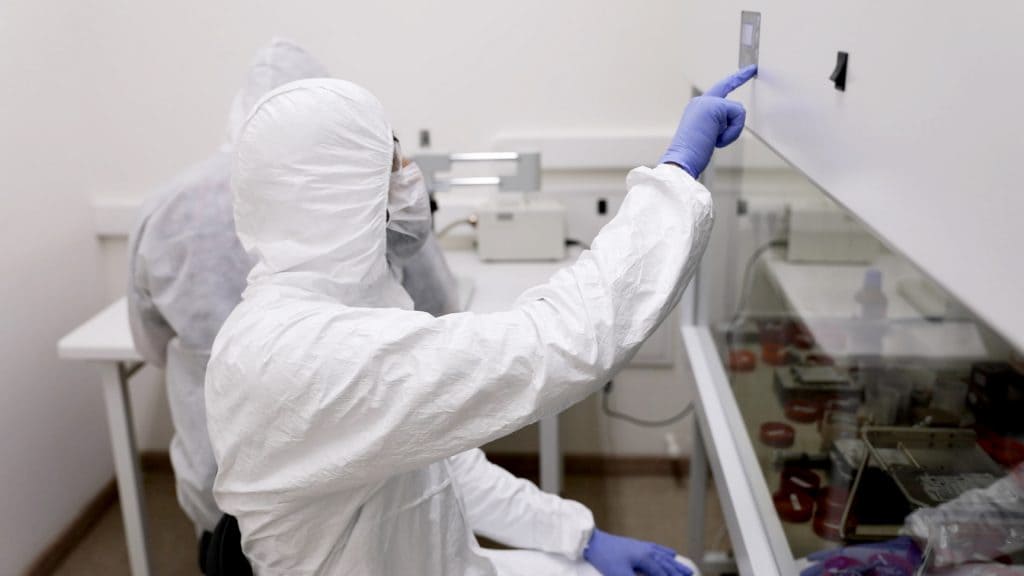
Specialised recovery facilities equipped with Tier 3 cleanroom environments
Custom engineered toolsets for rebuilding damaged HSM metadata and complex storage hierarchies
SLA backed turnaround times designed for mission critical infrastructure
Experiencing an issue? Contact us at 020 4617 0477. Our team is ready to minimise the impact of any HSM failure and keep your operations running smoothly.
Conclusion: Oracle SPARC T7-1 HSM Recovery Requires Precision
HSM failures within SPARC T7-1 environments are more than technical setbacks; they represent direct operational risks. Whether caused by software corruption, hardware deterioration, or unexpected system faults, an expert led and timely recovery process can determine whether a business experiences prolonged disruption or maintains continuity.
At RAID Recovery Services, we restore mission critical systems with full commitment to data integrity and operational reliability.
Facing an HSM Failure?
Speak with our specialist team at 020 4617 0477 or submit an enquiry through our secure contact form to begin a confidential assessment. We will explain the safest recovery options and help your organisation return to full operation as quickly as possible.