
RAID technology is built to safeguard data and enhance performance by spreading information across multiple drives. Yet the way a RAID setup functions can vary considerably, particularly between software and hardware configurations.
The two approaches differ in how they handle redundancy, speed and system resilience. Your choice largely hinges on the demands of your environment.
Software RAID depends on the operating system to manage the array, while hardware RAID relies on a dedicated controller card or an embedded chip to coordinate drive activity. Each offers clear strengths and trade offs in relation to speed, cost and fault tolerance.
This guide breaks down software vs hardware RAID, outlining how each method works, the benefits and limitations, and what to expect when recovery is required after a failure.
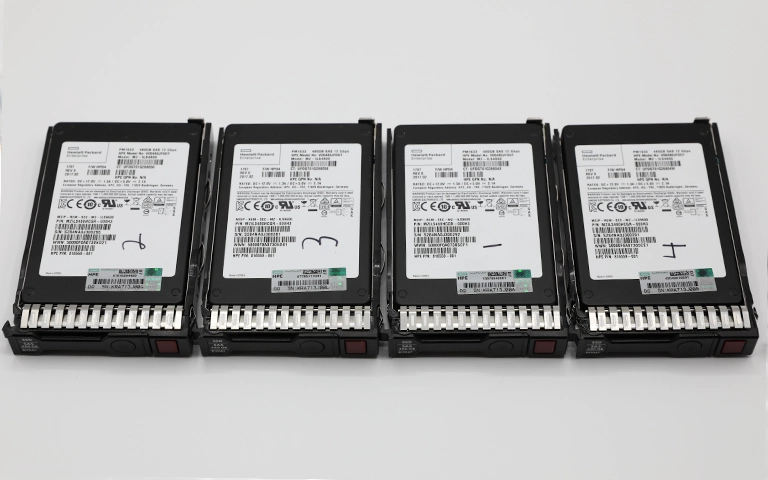
What Is Software RAID?
Software RAID is controlled entirely by the operating system, removing the need for any dedicated RAID hardware. It uses system resources such as the CPU and memory to carry out RAID functions, which makes it an affordable and adaptable choice for smaller environments or individual users.
Most major operating systems provide built in support. Linux includes mdadm for configuring and managing software RAID, while Windows offers similar options through Disk Management. These tools allow users to create RAID levels like RAID 0, RAID 1 or RAID 5, depending on the required balance of speed and protection.
Although software RAID performs well for straightforward setups, it does come with constraints. Because RAID processing competes with other system tasks, performance can decline when workloads intensify.
When a software RAID setup fails, recovery usually involves reconstructing the array with specialist software utilities or imaging each drive before attempting a rebuild.
Overall, software RAID is a practical fit for cost sensitive environments or scenarios where enterprise level throughput and resilience are not mandatory.
What Is Hardware RAID?
Hardware RAID relies on a dedicated RAID controller card or an integrated chipset on the motherboard to manage all RAID activity without drawing on the system CPU.
This specialist hardware performs parity calculations, data striping and redundancy handling, which delivers higher performance and reduces the overall load on the host system.
Hardware RAID is widely used in enterprise servers and data centres because it offers advanced capabilities such as battery backed cache, hot swap support and real time array monitoring.
These functions strengthen data protection and improve throughput, particularly for demanding configurations like RAID 5, RAID 6 and RAID 10.
The trade off is cost and complexity. Hardware RAID solutions are more expensive and depend on compatible controller models. If a controller fails, recovery can be difficult because the configuration metadata is often stored directly on the card.
In these scenarios, replacing the controller with the same model or engaging professional recovery specialists is typically required to restore access to the array.
For further insight into controller related failures and their impact on data availability, see RAID Controller Failure Recovery.
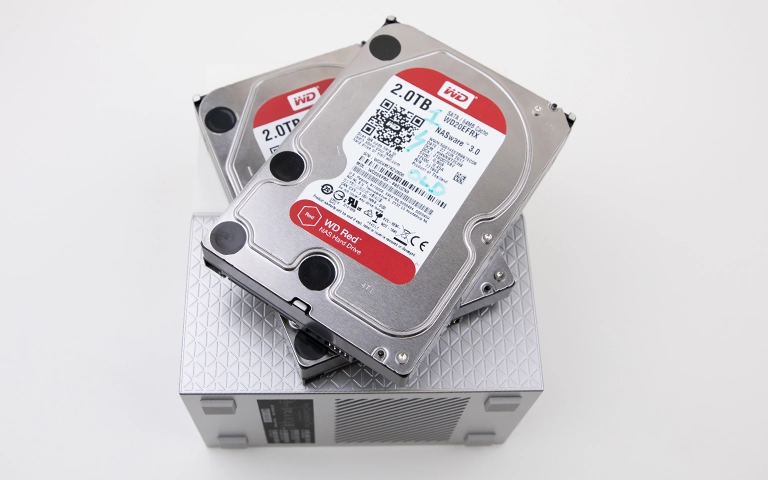
Key Differences Between Software and Hardware RAID
Understanding how software and hardware RAID differ helps you choose the setup that best supports your performance, cost and recovery requirements.
Performance:
Hardware RAID offers faster read and write speeds through a dedicated processor. Software RAID depends on the system CPU, which can limit performance under load.Cost:
Software RAID is the cheaper option with no added hardware. Hardware RAID carries higher upfront expense due to controller cards.Configuration:
Software RAID is simple to configure through operating system tools. Hardware RAID requires controller utilities accessed during system start up.Recovery process:
Software RAID failures are repaired with software reconstruction. Hardware RAID recovery may require controller replacement or expert support.Reliability:
Hardware RAID provides stronger fault tolerance with caching and monitoring. Software RAID offers redundancy but fewer protective features.Scalability:
Hardware RAID suits large, multi drive environments. Software RAID is typically used for smaller or less critical setups.
In short, software RAID prioritises affordability, while hardware RAID delivers stronger performance and resilience for enterprise systems.
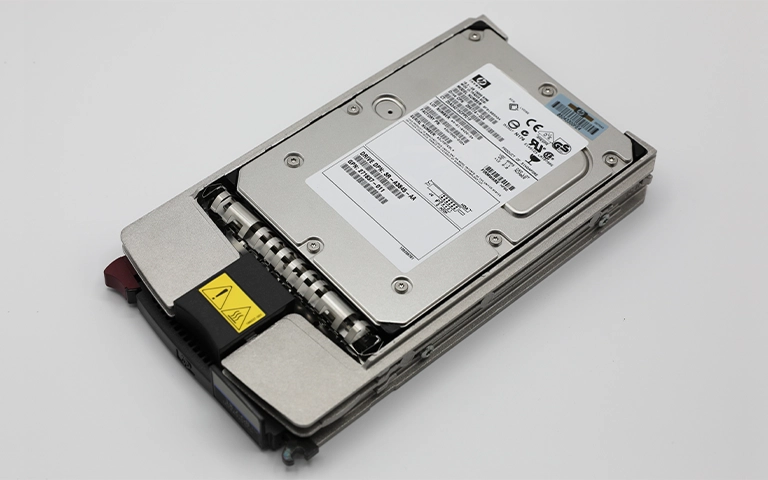
Software RAID vs Hardware RAID Comparison Table
The table below outlines the core differences between software and hardware RAID across performance, cost and recovery considerations.
This comparison highlights how hardware RAID offers superior speed, resilience and scalability, while software RAID delivers flexibility at a lower cost.
For further detail on how RAID configurations affect long term reliability, explore RAID Failure Rate.
Recovery Considerations for Both RAID Types
When a RAID array fails, the recovery method differs depending on whether the setup is software based or hardware based. Understanding these distinctions is essential for preventing irreversible data loss.
Software RAID recovery
For software managed arrays, recovery centres on logical reconstruction through the operating system or specialist utilities. Individual disks can usually be accessed independently, allowing technicians to examine metadata and parity information before rebuilding the array.
The process is generally more straightforward, but it still requires careful handling to avoid overwriting critical sectors.
Hardware RAID recovery
Recovery is more involved because configuration details such as stripe size, drive order and parity layout are stored on the RAID controller.
If the controller fails, an identical replacement may be required or engineers may need to perform a low level analysis of disk images. Attempting recovery without matching parameters can result in permanent data loss.
Across both RAID types, continuing to operate the system after a failure can significantly complicate recovery.
Our engineers specialise in restoring both software and hardware RAID systems affected by controller issues, corruption or drive failures.
For initial troubleshooting guidance before recovery begins, review Troubleshoot RAID Failure.

Fast turnaround times for business-critical data
Conclusion and Expert Advice
Software and hardware RAID both enhance data reliability and performance, but they address different operational requirements.
Software RAID is a cost effective and adaptable option for smaller systems or individual users. Hardware RAID delivers higher speed, stronger redundancy and greater scalability, making it more suitable for enterprise workloads.
It is important to recognise that no RAID configuration provides absolute protection. Hardware faults, corruption or rebuild issues can still lead to unexpected data loss.
When a RAID array becomes inaccessible, attempting manual repairs often increases the risk of permanent damage. The safest course of action is to consult experienced professionals who understand RAID architecture and the nuances of the recovery process.
Our engineers specialise in recovering data across all RAID levels and controller types, ensuring the safe reconstruction of critical information.
To explore the difference between RAID redundancy and true data protection, read RAID vs Backup.
Trust the experts with proven results
Frequently Asked Questions
What is the main difference between software RAID and hardware RAID?
Software RAID is controlled by the operating system, whereas hardware RAID relies on a dedicated controller card or onboard chipset. Hardware RAID typically delivers stronger performance and improved fault tolerance.
Which is faster, software RAID or hardware RAID?
Hardware RAID is generally faster because it uses its own processor and cache to manage data operations. Software RAID depends on the system CPU, which can limit speed during intensive workloads.
Is software RAID reliable for business use?
Software RAID can be suitable for small businesses or non critical systems. For higher stability, advanced redundancy and enterprise scale storage, hardware RAID remains the more dependable option.
Can data be recovered from a failed hardware RAID?
Yes. Recovery specialists can rebuild damaged or corrupted hardware RAID arrays, including cases where the original controller is unavailable or no longer functional.
How can I decide which RAID type is best for me?
If you are focused on cost and straightforward setup, software RAID may meet your needs. For environments that demand high performance, robust caching and stronger recovery potential, hardware RAID is the better fit.