
Every business needs a reliable way to protect its data from unexpected loss, corruption or cyber threats. Although many organisations rely on cloud and disk based systems, tape backup solutions continue to play a key role as one of the most dependable and cost effective methods for long term data protection.
Tape storage provides a secure offline option that shields critical information from ransomware, accidental deletion and unauthorised access. Its durability, scalability and affordability make it an ideal choice for companies handling large data volumes or operating under strict data retention requirements.
In this article, we will explain how tape backup works, highlight its main advantages and explore why it remains a trusted solution for businesses that prioritise data security and operational resilience.
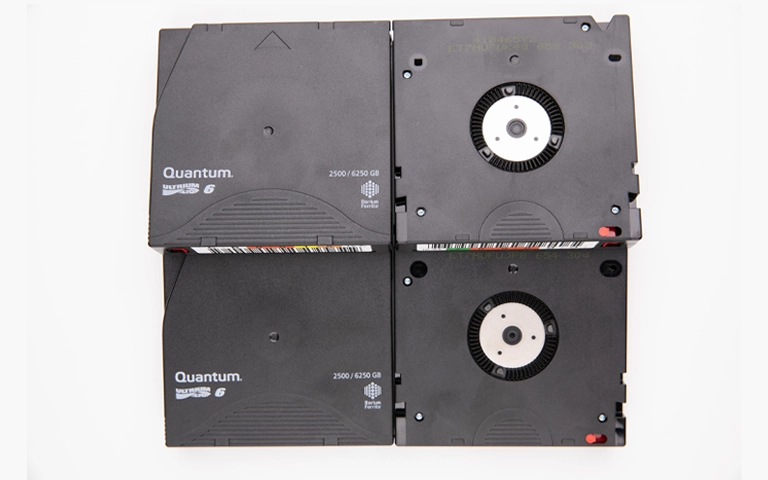
What Is Tape Backup?
Tape backup is a data storage method that uses magnetic tape media to safely retain large volumes of information over extended periods. This established approach has been used in corporate IT environments for decades due to its reliability and long term cost efficiency.
A tape backup system is typically made up of three core elements: tape cartridges, tape drives and tape libraries.
The cartridges act as the physical storage medium, the drives manage the writing and reading of data, and the libraries automate the handling of multiple tapes for high volume environments.
Unlike online storage platforms, tape backup solutions operate offline, which makes them highly resistant to cyber threats such as ransomware. Since the data is not continuously connected to the network, it cannot be easily accessed or encrypted by malicious software.
Tape backup is particularly valuable for businesses that must retain records for compliance or archive extensive datasets. It ensures data remains accessible even years later, preserving integrity when other storage formats may degrade or fail.
To understand the technical operation in more depth, read our detailed guide on how tape drives work.
Key Benefits of Tape Backup for Businesses
Tape backup remains a practical and dependable option for organisations that prioritise long term data protection and cost control. Below are the key benefits it delivers:
Cost efficiency: Tape provides a lower cost per terabyte than most disk or cloud solutions, making it well suited for archiving large data volumes.
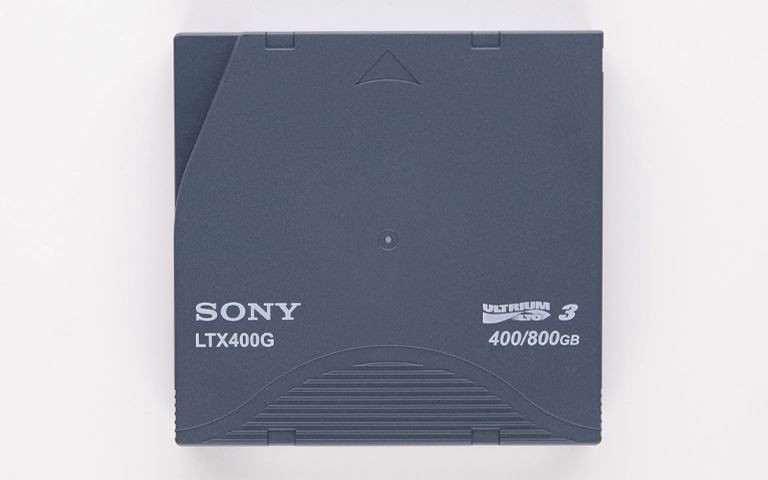
High capacity: Modern tape technologies such as LTO can store multiple terabytes per cartridge, supporting large scale enterprise backup requirements.
Long term durability: When stored correctly, tapes can retain data for decades, ensuring continued accessibility even after long periods of inactivity.
Offline security: Since tapes are kept offline, they are naturally protected from ransomware and unauthorised access attempts.
Scalability: Storage capacity can be increased simply by adding more tapes, without the need to replace existing infrastructure.
Energy efficiency: Tape systems use very little power when not in operation, helping reduce running costs and environmental impact.
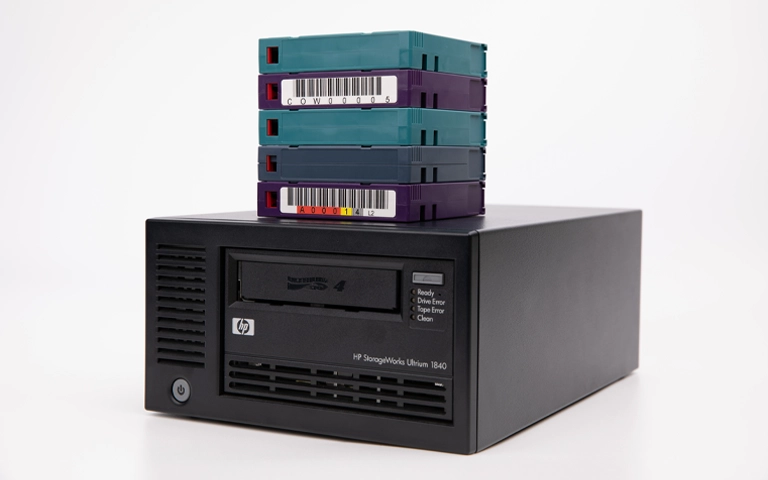
Tape Backup vs. Other Storage Methods
Each backup method brings its own strengths. Tape backup stands out for reliability and long service life, while disk and cloud storage focus on faster access and operational flexibility. The table below outlines how these options compare across key factors:
By comparing these options, businesses can clearly see how tape backup solutions deliver strong long term security and low operational costs, especially for archiving and offline protection strategies.
Consider integrating tape storage into your data loss prevention plan to reinforce your overall backup framework and improve resilience against unexpected incidents.
Common Business Uses for Tape Backup
Tape backup plays a critical role in many business continuity and compliance strategies. Its ability to store large volumes of data securely over extended periods makes it well suited for a range of professional use cases.
One of the most common applications is long term data archiving. Many organisations are legally or operationally required to retain records for several years.
Tape systems provide a dependable and cost effective way to preserve this data while ensuring it remains accessible for audits, legal reviews and regulatory inspections.
Tape backup is also frequently used within disaster recovery planning. In the event of system failure, data corruption or a ransomware incident, businesses can restore operations using secure offline copies. This ensures continuity even when online or network connected backups are compromised.
In addition, tape storage is preferred by enterprises and public sector institutions that handle extensive data volumes, such as financial records, research datasets and video surveillance archives.
The combination of capacity, longevity and low maintenance overhead makes tape backup a reliable choice for mission critical environments where long term data integrity is essential.
Fast turnaround times for business-critical data
How RAID Recovery Services Supports Tape Data Recovery
At RAID Recovery Services, we specialise in restoring data from damaged or unreadable tape media, including LTO, DAT, DLT and other magnetic formats.
Our engineers recover data from tapes affected by wear, environmental exposure or logical corruption. Using advanced reading equipment and specialised imaging techniques, we extract and reconstruct data safely while preserving its integrity.
All recovery procedures take place within secure environments, ensuring full confidentiality and a strict chain of custody for business clients.
Whether you need to retrieve archived records, restore critical backups or access legacy data from ageing tape systems, our specialists deliver reliable and efficient recovery solutions tailored to your operational requirements.
Learn more about recovering data from LTO tape drives and how our experts restore inaccessible tape archives.

Best Practices for Maintaining Tape Backups
Effective tape management ensures your backups remain reliable and ready when they are needed most.
Follow these best practices to extend tape lifespan and maintain data integrity:
Store tapes in a controlled environment with consistent temperature and humidity levels to prevent physical degradation.
Label and catalogue each tape clearly to simplify tracking, retrieval and audit processes.
Rotate backup sets regularly using proven methods such as the Grandfather Father Son GFS rotation scheme.
Inspect and clean tape drives to minimise read or write errors and maintain optimal performance.
Test restore procedures periodically to verify that archived data remains accessible and usable.
Replace ageing or damaged tapes before they reach the end of their recommended service life.
Consistent maintenance practices ensure your tape backup solutions remain dependable and continue to provide secure long term protection for critical business data.
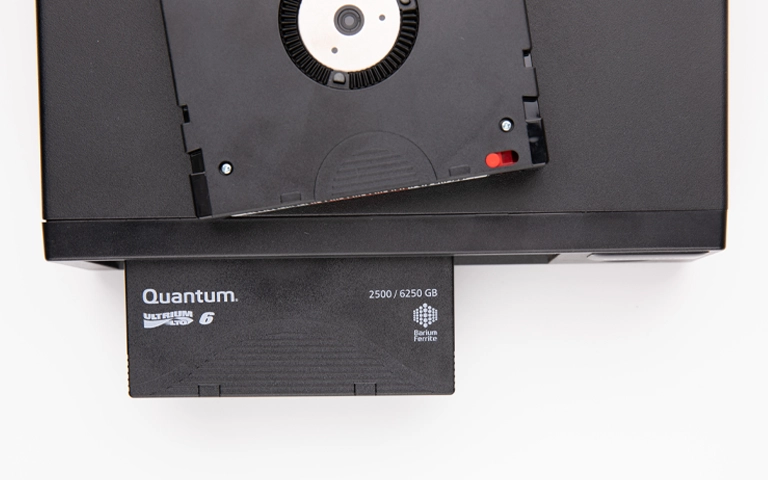
Conclusion and Call to Action
Tape backup solutions remain one of the most secure and cost effective approaches to long term business data protection. Their durability, offline security and scalability make them a vital component of a well structured backup strategy, particularly for organisations handling large or sensitive datasets.
When tape media becomes damaged, unreadable or corrupted, professional intervention is often the safest path to successful recovery. Attempting unauthorised repairs can worsen the damage and permanently compromise critical information.
RAID Recovery Services delivers specialised tape data recovery for businesses relying on LTO, DAT and other magnetic formats. Our engineers help recover archived data, restore operational continuity and support compliance with strict data retention requirements.
Contact RAID Recovery Services to find out how our team can assist in restoring and preserving your business data with precision, security and reliability.
Trust the experts with proven results
Frequently Asked Questions
Why should my business use tape backup instead of cloud storage?
Tape backup provides true offline protection, which makes it resistant to cyber threats such as ransomware. It is also more cost effective for long term data retention and offers greater durability than storage that relies solely on continuous internet connectivity.
How long can tape backups last?
When stored in stable environmental conditions, magnetic tapes can retain data for more than 20 years. This longevity makes them ideal for archiving and compliance requirements where records must be preserved for extended periods.
Can I recover data from an old or damaged tape?
Yes. Professional recovery specialists can extract and restore information from old, corrupted or physically damaged tapes using specialised equipment and secure cleanroom facilities.
How often should businesses update or replace tape backups?
It is advisable to rotate and refresh tape backups regularly. Tapes used for daily or weekly backups should be replaced every few years to ensure reliable performance and minimise the risk of data degradation.
Are tape backups still relevant for modern businesses?
Absolutely. Despite the rise of cloud and disk based storage, tape backup remains a dependable and cost efficient solution for long term archiving, disaster recovery and compliance driven storage needs.