
RAID systems are often valued for their speed and reliability, yet many users do not fully understand how that performance is achieved. One of the key techniques behind this efficiency is RAID striping, a method that distributes data across multiple drives to increase read and write speeds.
Although striping delivers noticeable performance gains, it also introduces certain risks if one of the drives fails. Understanding how RAID striping works, along with its benefits and potential vulnerabilities, will help you make informed decisions about performance and data protection.
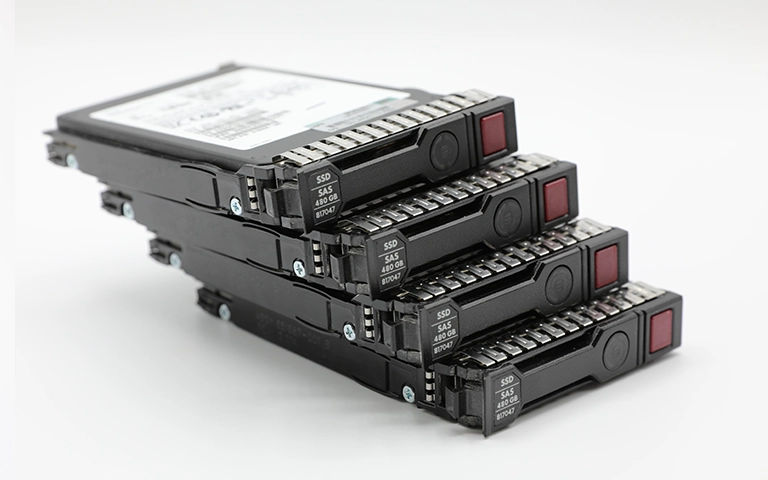
Understanding RAID Striping
RAID striping is a data storage method that divides information into equal-sized blocks and writes those blocks across two or more drives.
Each drive stores a portion of every file, which allows the system to access multiple sections of data at the same time. This greatly improves speed and responsiveness when compared with using a single disk.
In simple terms, striping works like dividing a large job among several workers. Instead of one drive handling all the data on its own, each drive contributes to reading and writing operations simultaneously.
The result is faster performance and smoother operation, particularly in environments that work with large files or heavy data traffic.
However, striping alone does not provide redundancy. If one drive fails, the striped data becomes incomplete and unreadable.
This is why it is important to combine striping with redundancy in specific RAID levels, ensuring both high performance and reliable data protection.
How RAID Striping Works
RAID striping boosts performance by allowing data to be processed in parallel across multiple drives. Here is a simplified explanation of how it operates:
Data is divided into blocks.
Large files are split into smaller segments, often referred to as stripes or blocks.Blocks are distributed across drives.
Each drive receives a different block. For example, the first block goes to Drive 1, the second to Drive 2, and so on.Drives read and write simultaneously.
When a file is accessed, all drives work at the same time to read or write their assigned blocks, which significantly improves speed.Data is reassembled by the controller.
The RAID controller combines the blocks back into a complete file so the user sees a single coherent result.
This technique is most commonly used in RAID 0, where the priority is maximum speed rather than fault tolerance.
To learn more about how RAID controllers manage striping and synchronisation, visit our related article on RAID Controllers.
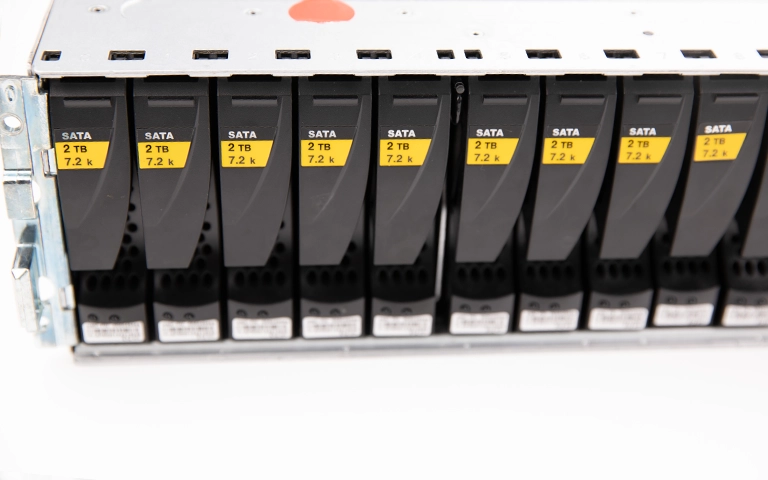
Benefits of Data Striping
RAID striping is widely used in environments that prioritise performance and efficiency. Below are the main advantages it provides:
Faster read and write speeds:
Multiple drives working in parallel reduce the time required to access or store data.Improved system responsiveness:
Workloads that involve large files, such as video production, virtual machines, or database operations, run more smoothly.Balanced workload:
Striping distributes data evenly across the drives and helps prevent any single disk from becoming a performance bottleneck.Efficient use of storage:
In pure striping configurations, no drive is reserved for parity or redundancy, so the full combined capacity is available for data.
Although striping delivers strong performance benefits, it should always be combined with redundancy if data protection is important.
In the next section, we will look at the main limitations and risks associated with this approach.
Fast turnaround times for business-critical data
Limitations and Risks of Striping
While RAID striping offers strong performance gains, it comes with notable trade-offs in terms of data safety. Because information is divided across multiple drives without any form of redundancy, the failure of a single disk can lead to complete data loss.
Unlike mirrored or parity-based RAID levels, striping on its own provides no protection against hardware failure. If one portion of a striped file becomes unreadable, the entire file is affected.
For this reason, RAID 0 is only suitable for temporary or non-critical data where maximum speed is the priority rather than data protection.
There is also a risk associated with controller faults or incorrect rebuild attempts. If key striping parameters such as block size or drive order are lost or misconfigured, reconstructing the array becomes highly complex and may jeopardise the remaining data.
To learn more about these risks, review our guide on RAID Rebuild Data Loss Risks.
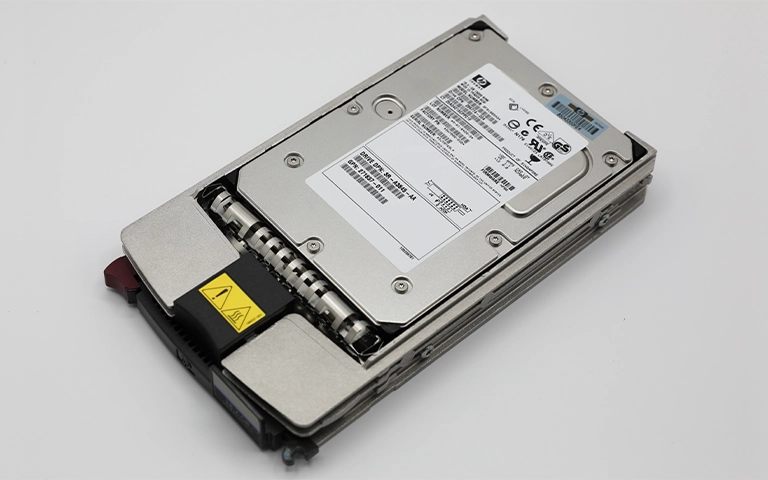
RAID Levels That Use Striping
Several RAID configurations use striping to balance performance and redundancy. The table below outlines the main RAID levels that rely on striping and how each one handles data protection.
Each RAID configuration applies striping differently, depending on the balance required between performance and fault tolerance.
To learn how each level operates, visit our detailed guide on Types of RAID.
When Striping Fails – Common Causes of Data Loss
Although striped arrays offer strong performance benefits, they are vulnerable to several issues that can result in complete data loss.
Below are the most common causes of failure:
Drive failure:
A single drive failure in a striped array can make all stored data inaccessible.Power interruptions:
Sudden power loss during write operations can lead to data corruption or unsynchronised blocks.Controller malfunction:
If the RAID controller fails or loses its configuration, the striping sequence can break, preventing the array from mounting.Firmware or software errors:
Bugs or incomplete updates can damage array metadata and disrupt access to striped data.Improper rebuild attempts:
Rebuilding or reinitialising a failed striped array without a proper evaluation can overwrite recoverable data and make recovery far more difficult.
In any of these situations, immediate action is essential. Do not reconnect the drives or attempt repairs until the system has been assessed by professionals.
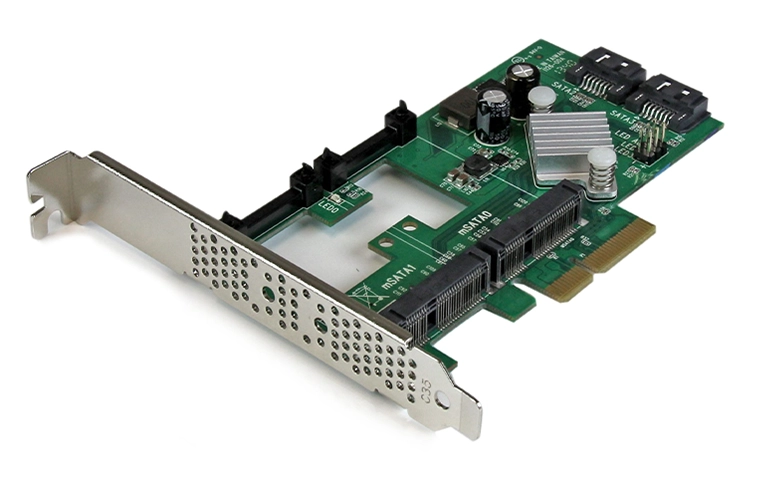
Recovering Data from a Striped RAID Array
When a striped RAID array fails, recovery becomes a delicate process that requires both expertise and specialised tools. Each drive contains only fragments of the full dataset, which means the recovery engineer must identify the correct drive order, stripe size, and parity structure before the array can be rebuilt safely.
If your striped RAID has failed, do not attempt DIY repairs or run disk utilities. These actions can overwrite critical metadata and make successful recovery impossible.
Instead, contact our specialists for a professional assessment and a clear recovery strategy tailored to your system.
For further troubleshooting insights, visit our post on RAID Failure Recovery.

Conclusion
RAID striping is one of the main reasons multi drive storage systems achieve such high levels of speed and performance. By spreading data across several disks, it enables faster read and write operations that are ideal for demanding workloads. However, this same structure also means that the failure of a single drive can result in complete data loss.
If your striped RAID array has stopped working or your files have become inaccessible, professional recovery is the safest and most effective option. Our team can assess the failure, restore your data with accuracy, and help you rebuild a reliable storage environment.
Trust the experts with proven results
Frequently Asked Questions
What is RAID striping?
RAID striping is a storage technique that divides data into equal sized blocks and distributes them across multiple drives. This allows the system to read and write several parts of a file at the same time, which improves overall speed and performance.
Which RAID levels use data striping?
RAID 0, RAID 5, RAID 6, and RAID 10 all make use of striping. The main difference is that RAID 0 has no redundancy, while RAID 5, RAID 6, and RAID 10 combine striping with parity or mirroring to provide additional protection.
Can a failed striped RAID array be recovered?
Yes. Professional engineers can rebuild a striped RAID array by identifying the correct drive order, stripe size, and any parity parameters. Recovery should always be carried out in a controlled environment to prevent further data loss.
What causes data loss in striped RAID arrays?
Typical causes include drive failure, controller faults, firmware corruption, and incorrect rebuild attempts. Because each file is split across multiple disks, the failure of even one drive can make the entire array unreadable.
How can I protect data on a striped RAID array?
Regular backups are essential. If you need both speed and protection, choose a RAID level that combines striping with redundancy, such as RAID 5 or RAID 10. Professional monitoring tools can also help detect early drive health issues before failure occurs.