
Data underpins every decision, transaction, and process within a modern business. From financial records and project documentation to client databases, companies rely on constant, reliable access to their digital information.
When a server fails, a RAID array goes offline, or malware encrypts critical files, day to day operations can stall in moments. The impact is immediate, affecting productivity, customer confidence, and profitability.
In a genuinely data centric environment, the speed at which you recover from disruption is a key measure of business resilience.
This article outlines how professional business data recovery services help organisations minimise downtime and avoid permanent data loss.
You will see how specialist engineers assess failures, rebuild complex systems, and restore essential information so your company can continue to operate with confidence.
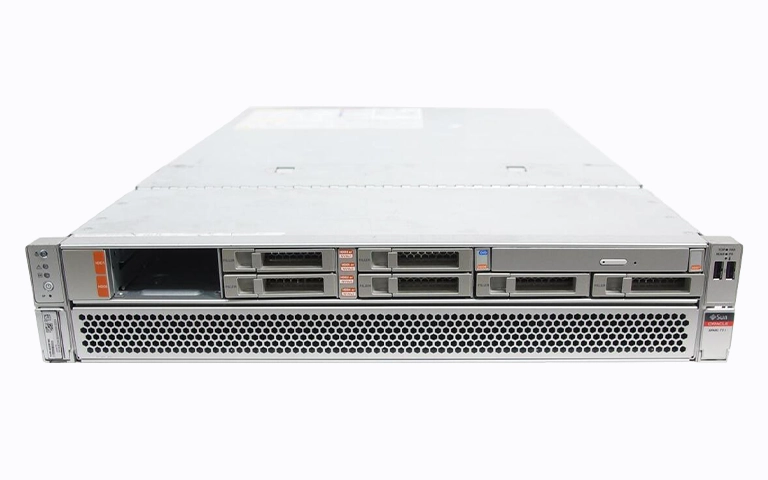
Common Causes of Business Data Loss
Data loss can affect any organisation, regardless of size or sector. Understanding the most frequent causes helps businesses spot early warning signs and act before the situation escalates.
Below are some of the main reasons companies lose critical data:
Hardware failure: Hard drives, SSDs, and RAID controllers can fail due to age, overheating, physical damage, or manufacturing defects.
RAID degradation: When one or more drives in a RAID array fail or fall out of sync, access to data can become unstable or disappear entirely.
Accidental deletion: Human error remains one of the leading causes of missing business files, overwritten data, or incorrectly formatted storage.
Cyberattacks and ransomware: Malicious encryption and data theft can bring whole systems to a halt, locking vital files until a ransom is paid. Learn more about secure recovery methods in our ransomware recovery guide.
Power interruptions: Sudden power cuts or surges can damage controllers, corrupt file systems, or interrupt write processes, leaving data inconsistent or inaccessible.
Software corruption: Operating system faults, failed updates, or incompatible applications can render entire drives or partitions unreadable.
Identifying these risks early and responding in a controlled, professional way can significantly reduce downtime and limit the overall impact of data loss.
How Data Loss Impacts Business Operations
When an organisation loses access to critical data, the consequences can quickly spread across every department. Productivity drops, communication is disrupted, and essential business functions slow to a crawl.
For businesses that depend on continuous operations, even a few hours of downtime can result in lost contracts, missed deadlines, and dissatisfied clients.
The financial impact is often immediate. Employees cannot complete day to day tasks, while internal teams divert time and budget to urgent recovery efforts.
In many regulated sectors, data loss can also trigger compliance breaches and potential legal action, particularly if confidential or sensitive information is exposed or mishandled.
Reputational damage is another major risk. Customers expect robust security and consistent reliability. Any indication of weakness can erode confidence and make clients question whether their data is safe.
This is why companies benefit from having clear business data recovery strategies and trusted specialist partners in place long before an incident occurs.
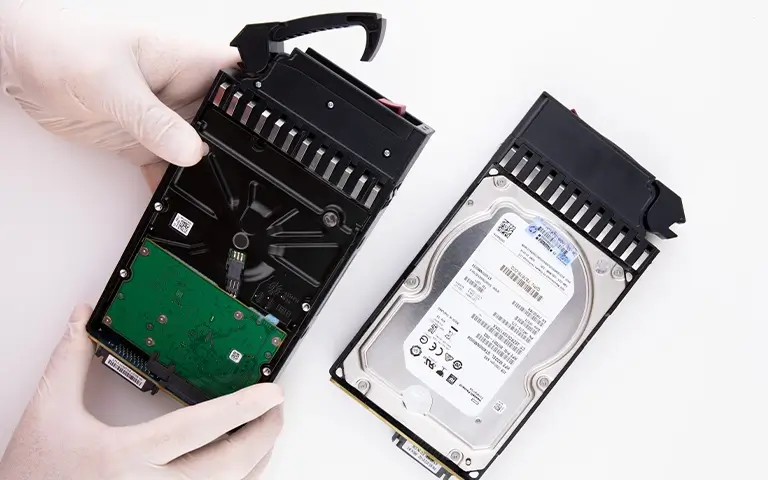
Why Businesses Use RAID and Enterprise Storage
Most organisations depend on RAID systems and enterprise storage to safeguard critical information. These configurations are designed to increase performance, strengthen fault tolerance, and keep data accessible even if a single drive fails.
By distributing information across several disks, RAID creates redundancy that helps businesses continue operating during hardware issues.
Enterprise grade drives are equally important in corporate environments. They are built for continuous workloads and deliver stability and durability under demanding conditions.
However, like any physical component, they are still vulnerable to wear, firmware faults, and synchronisation problems over time.
You can learn more about their key characteristics in our article on enterprise hard drives.
Despite their reputation for reliability, RAID systems are not immune to failure. Controller faults, incorrect rebuild attempts, or multiple drive failures can lead to serious data loss.
You can explore these risks in more detail in our post on reasons for RAID data loss.
When incidents like this occur, specialist business data recovery services use detailed diagnostics to rebuild the array, extract data safely, and restore system access. This professional approach helps organisations avoid further damage and reduces the risk of complications during recovery.
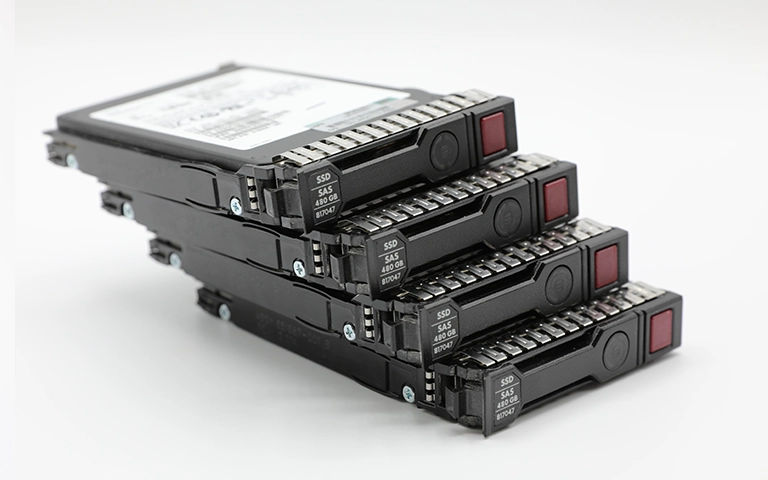
Professional Recovery Process Explained
When data loss occurs, a structured and secure recovery process is essential to protect business information and prevent further damage. Below is how professional business data recovery services typically handle a case, step by step.
Specialist engineers start by examining the system to identify the type of failure, whether logical, physical, or a combination of both. This ensures no further harm is caused during the investigation.
A sector by sector clone of each drive is created to preserve the original data. All subsequent recovery work is carried out on these images to maintain data integrity.
If the incident involves a RAID configuration, experts determine the correct drive order, stripe size, and parity settings. This allows them to rebuild the array structure accurately and stabilise access to the data.
Once the RAID or storage system has been reconstructed, recovered files are carefully extracted, checked, and validated to confirm completeness and accuracy.
The restored data is moved to a new, encrypted storage device and returned to the client under strict security controls and documented handling procedures.
At RAID Recovery Services, our engineers work with complex RAID, NAS, and server environments every day. We follow a defined business data recovery workflow that aims to maximise success rates while keeping sensitive commercial information strictly confidential.

Preventing Future Data Loss
Preventing data loss is just as important as recovering it. Organisations that take proactive measures to protect their information can minimise downtime and avoid costly disruption. Below are some effective strategies to strengthen your company’s data protection posture:
Implement regular backups:
Schedule automated backups to multiple locations, including both on site and off site storage, and test restores regularly.Monitor hardware health:
Use diagnostic tools to track disk performance and identify early signs of drive degradation before failures occur.Maintain RAID systems correctly:
Make sure rebuilds, firmware updates, and configuration changes are carried out by trained professionals to reduce synchronisation issues and array failures.Enhance cyber security:
Deploy up to date antivirus software and firewalls, and run ongoing employee awareness programmes to reduce the risk of ransomware and phishing attacks.Use an uninterruptible power supply (UPS):
Protect servers and storage systems from sudden power cuts and electrical surges that can corrupt data or damage controllers.
For more detailed recommendations on protecting critical business information, visit our guide on data loss prevention.
A well structured backup, monitoring, and maintenance routine helps organisations recover more quickly, maintain operational stability, and lessen their reliance on emergency business data recovery services.
Fast turnaround times for business-critical data
Why Choose RAID Recovery Services
When your business experiences data loss, selecting the right recovery partner can have a direct impact on how quickly and safely you get back to normal operations.
At RAID Recovery Services, we specialise in restoring data from complex enterprise systems, including RAID arrays, servers, and NAS devices. Our engineers work methodically to rebuild damaged configurations and recover critical files without increasing the risk of further corruption.
Recoveries are carried out in controlled laboratory environments with certified cleanrooms, ensuring every procedure meets strict technical and cleanliness standards. Each case is handled with full confidentiality, and all recovered data is verified to confirm accuracy and completeness before it is returned.
Organisations across a wide range of sectors rely on us because we combine specialist business data recovery services with years of experience in corporate environments.
Whether your company is dealing with a server failure, RAID outage, or corrupted storage system, our team is ready to help you recover quickly, securely, and with minimal disruption.

Conclusion
Data loss can affect any business, regardless of its size, sector, or infrastructure. From hardware failures and cyber attacks to simple human error, the risk is always present.
What truly matters is how your company responds when an incident occurs. Acting quickly and engaging professional business data recovery specialists gives you the best chance of restoring valuable information safely and efficiently.
With expert support from RAID Recovery Services, your organisation can recover from unexpected failures while maintaining continuity and customer confidence. Our engineers understand the urgency of corporate data loss and are committed to delivering fast, secure, and reliable recovery outcomes.
Ready to recover your business data? Speak to our specialists today to arrange an evaluation and get your systems back online with confidence.
Trust the experts with proven results
Frequently Asked Questions
What is business data recovery?
Business data recovery is the process of restoring lost, corrupted, or inaccessible files from enterprise systems such as servers, RAID arrays, and NAS devices. Professional business data recovery services focus on reducing downtime and maintaining business continuity by retrieving critical information in a controlled and secure way.
What are the main causes of data loss in businesses?
Typical causes include hardware or RAID failure, accidental deletion, ransomware and other cyber attacks, and software corruption. Environmental factors such as power surges, overheating, or poor ventilation can also contribute to data loss.
Can data be recovered from a failed RAID or server?
Yes. In many cases, data from failed RAID arrays and servers can be recovered by specialist engineers. At RAID Recovery Services, our team uses dedicated tools and techniques to rebuild configurations and extract files without causing further damage.
How long does the recovery process take?
Timeframes vary depending on the system type, the extent of the failure, and the overall data volume. After completing diagnostics, our team provides an estimated schedule for the recovery work and keeps you updated throughout the process.
How can my business prevent future data loss?
Maintain regular backups, monitor drive health, and carry out scheduled maintenance on storage and RAID systems. Implement strong cyber security controls and power protection solutions to reduce the risk of hardware damage, malware, and other attacks.