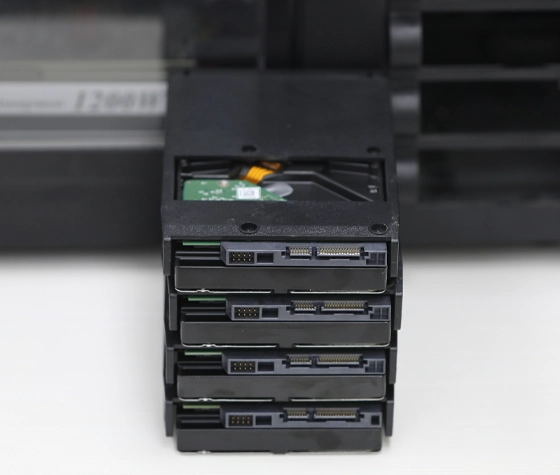
Why RAID 0 Failure Puts Your Data at Risk
RAID 0 improves performance by splitting data across multiple drives, making it well suited to demanding workloads such as media production, gaming and large-file processing.
The downside is that RAID 0 has no redundancy. If one drive fails, the entire array can become inaccessible. Data loss may also result from corruption, accidental deletion or controller issues.
Recovery requires the correct drive order, stripe size and array configuration to be identified before the data can be reconstructed. Our specialists use advanced techniques to rebuild failed RAID 0 arrays and recover as much data as possible.
Common Causes of RAID 0 Data Loss
RAID 0 delivers strong performance, but without redundancy, even a single fault can make the entire array inaccessible. The most common causes of RAID 0 data loss include:
If one drive fails, the striped data across the array can no longer be read correctly.
A faulty RAID controller can disrupt how data is distributed or recognised, leaving the array inaccessible or corrupted.
When more than one drive fails, recovery becomes significantly more complex and the risk of permanent data loss increases.
Accidental deletion, formatting, reconfiguration or rebuilding can overwrite important RAID metadata and user data.
Because RAID 0 offers no fault tolerance, it is important to avoid rebuilding, reinitialising or writing new data to the array after a failure. Specialist recovery gives you the best chance of restoring your files without causing further damage.
How We Recover Data from RAID 0
Our RAID 0 recovery process is designed to protect the original drives, identify the cause of failure and reconstruct the array as accurately as possible.
Assessment and Imaging
Configuration Analysis
Data Recovery
Secure Delivery & Guarantee
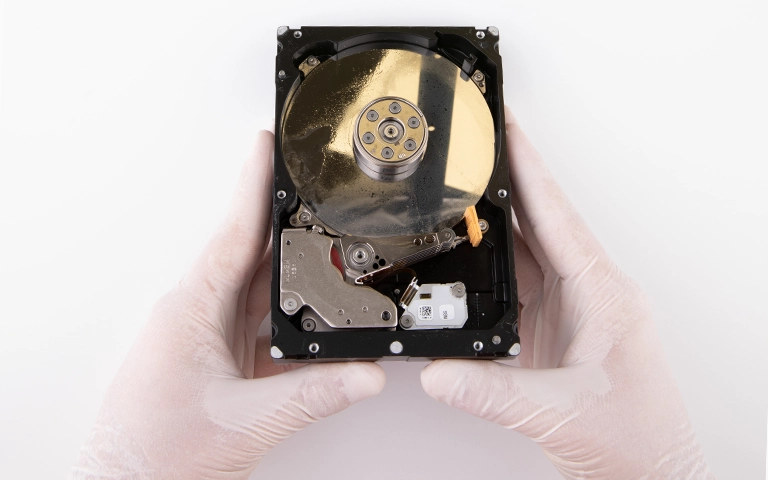
Expert RAID 0 Recovery When Your Array Fails
If your RAID 0 array is no longer detected, shows missing drives, fails to mount, becomes corrupted or suddenly makes critical files inaccessible, avoid rebuilding or reinitialising it. These actions can overwrite important data and reduce the chances of recovery.
Our specialists diagnose the failure, create protected images of the original drives and reconstruct the array using the correct RAID parameters. We work with failed hard drives, SSDs, controller issues, corruption and accidental formatting, with a focus on recovering as much data as possible safely.
Throughout the process, your data is handled under strict security and confidentiality procedures. From initial assessment to final delivery, our goal is simple: provide a secure, reliable RAID 0 recovery service with the best possible chance of getting your critical data back.
If you need to recover data from a failed RAID 0 array, our experts provide fast, reliable recovery services.
For failed RAID 1 arrays, our team delivers prompt and dependable recovery to retrieve your critical data.
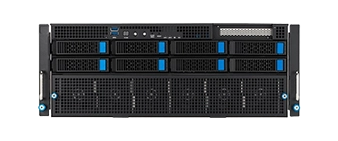
If your RAID 5 array has failed, contact our professionals for trusted recovery services tailored to your situation.
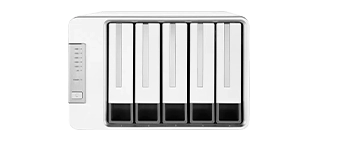
Our specialists provide secure and efficient recovery for failed RAID 6 arrays, helping you restore valuable data with confidence.
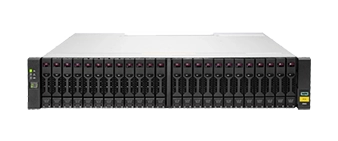
Need recovery from a failed RAID 10 array? Our team offers reliable, rapid services to get your data back.
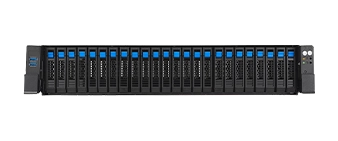
For RAID 50 failures, our professionals deliver expert recovery services with a focus on security and reliability.
Emergency RAID 0 Recovery
If your RAID 0 array has failed and critical data is inaccessible, shut the system down and avoid rebuilding, reinitialising or writing to the drives. Our emergency recovery service is designed for urgent cases where downtime and data availability are critical.
24/7 Rapid Response
Our specialists respond to urgent RAID 0 failures around the clock, helping businesses reduce downtime and begin recovery as quickly as possible.
Secure & Compliant
Your drives and recovered data are handled under strict security procedures throughout the process, with secure transfer and clear reporting.
Advanced RAID Reconstruction
We diagnose the failure, identify the correct RAID parameters and reconstruct the array using specialist tools to recover as much accessible data as possible.